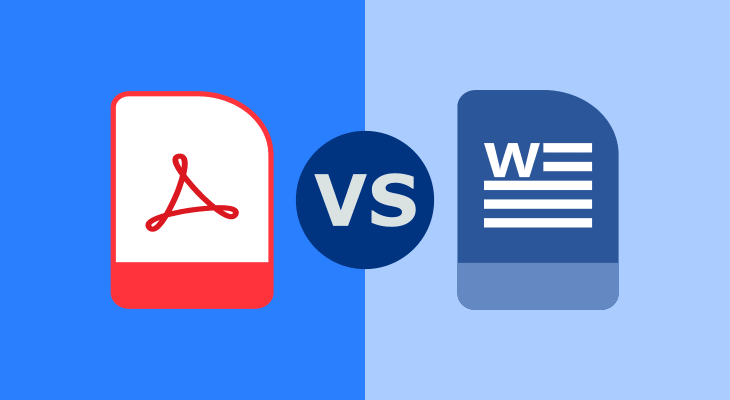
Difference Between PDF and Word While they are the two most common document formats, PDF and Word serve very different purposes. Microsoft Word is a "word processor," designed primarily for the creation and editing of text. It is a dynamic environment where you can constantly change the layout. PDF, however, is a "page description language," designed for the final presentation and distribution of content.
The primary difference lies in how they handle formatting. If you open a Word document on a computer that doesn't have the same fonts installed, the layout might break. A PDF avoids this by embedding all necessary assets directly into the file. This guarantees that your document will look identical on a Mac, a PC, or a Linux machine. For final delivery, the PDF is always the more professional choice.
Editing is another major point of divergence. Word is built to be edited. It has features like "Track Changes" and comments that make collaboration easy. A PDF is built to be static. While you can edit a PDF with specialized tools like those at RapidFilePDF, the format is naturally more resistant to changes, which makes it safer for official documents that should not be altered.
In terms of file size, PDFs are often more efficient. Word files can carry a lot of "meta-data" and history that makes them larger than they need to be. A PDF optimizes the content for viewing and sharing, often resulting in a much smaller file that is easier to send over email. This makes the PDF the standard for web downloads and email attachments.
Ultimately, the choice between PDF and Word depends on your stage in the document lifecycle. Use Word for drafting and collaboration, and use PDF for sharing the final, polished product. RapidFilePDF provides the tools you need to move seamlessly between these formats, ensuring you always have the right tool for the job.
Try our free PDF tools at RapidFilePDF to convert, compress, and manage your documents online.